
A digital timer switch is an essential solution for anyone looking to automate electrical devices with accuracy and efficiency. Whether used in homes, offices, commercial buildings, or industrial environments, digital timer switches allow electrical equipment to operate automatically according to a preset schedule. This smart control not only saves time but also reduces energy waste, lowers electricity costs, and improves overall safety.
Modern electrical systems increasingly rely on automation, and digital timer switches play a critical role in this transformation. By ensuring that power is supplied only when required, these devices offer a practical and cost-effective way to optimize energy usage while maintaining reliable daily operation.
What Is a Digital Timer Switch?
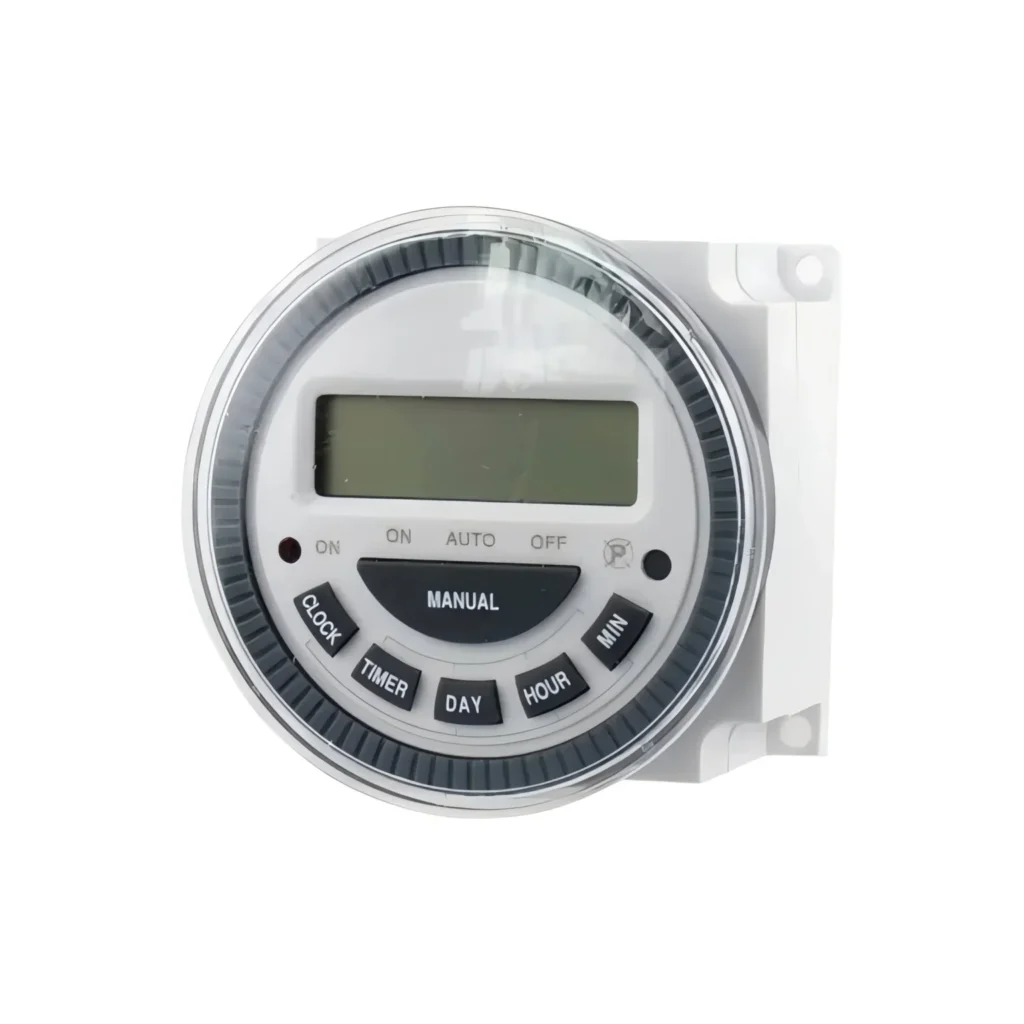
A digital timer switch is an electronic control device designed to turn electrical circuits on and off automatically based on programmed time settings. Unlike traditional mechanical timers, digital timer switches use electronic clocks to provide precise timing and flexible programming options. Users can set exact on and off times, multiple schedules, or repeated cycles depending on the application.
These switches are commonly used to control lighting systems, heating and ventilation equipment, water heaters, pumps, fans, and various household and industrial appliances. Their ability to operate automatically without daily manual input makes them ideal for both residential and professional environments.
How Does a Digital Timer Switch Work?
A digital timer switch operates by using an internal electronic clock that tracks the current time. The user programs specific switching schedules through buttons or a digital interface. Once the programmed time is reached, the switch automatically connects or disconnects the electrical circuit, allowing the device to turn on or off accordingly.
Many digital timer switches include built-in memory or rechargeable batteries to maintain the time settings during power interruptions. This ensures consistent performance and uninterrupted automation even in unstable power conditions.
Advantages of Using a Digital Timer Switch
High Timing Accuracy
Digital timer switches offer exceptional accuracy due to their electronic clock systems. This precise timing is crucial for applications where exact operating schedules are required, such as industrial processes or outdoor lighting systems.
Flexible Programming Options
These switches support multiple operating modes, including daily schedules, weekly programs, cyclic operations, and countdown timers. This flexibility allows users to customize control settings based on specific needs and usage patterns.
Energy Saving and Cost Reduction
By limiting device operation to necessary periods, digital timer switches significantly reduce unnecessary power consumption. This results in lower electricity bills and improved energy efficiency over time, making them an environmentally friendly solution.
User-Friendly Operation
Most digital timer switches feature clear LCD displays and intuitive controls, making programming and adjustments easy even for beginners. Once set, the system operates automatically without requiring constant supervision.
Enhanced Safety and Security
Digital timer switches can simulate occupancy by controlling lighting during specific hours, which helps deter theft and improve security. They are also used to prevent electrical devices from running continuously, reducing the risk of overheating or damage.
Disadvantages of Digital Timer Switches
Despite their benefits, digital timer switches may require initial programming that can be slightly complex for some users. They also rely on power or battery backup, meaning low-quality models may lose settings during power outages. In addition, digital timer switches generally cost more than mechanical timers, although their advanced features often justify the investment. In environments with strong electromagnetic interference, lower-grade switches may experience reduced accuracy, making product quality an important consideration.
Types of Digital Timer Switches
Daily Digital Timer Switch
A daily digital timer switch allows devices to turn on and off at the same time every day. This type is ideal for applications such as indoor lighting, advertising displays, and fixed daily routines.
Weekly Digital Timer Switch
Weekly digital timer switches offer greater flexibility by allowing different schedules for each day of the week. They are commonly used for outdoor lighting, irrigation systems, and commercial operations with varying daily requirements.
Astronomical Digital Timer Switch
Astronomical digital timer switches automatically calculate sunrise and sunset times based on geographic location. This makes them ideal for outdoor lighting systems that need to adapt to seasonal daylight changes without frequent reprogramming.
Smart Digital Timer Switch
Smart digital timer switches integrate with mobile applications and smart home systems. Users can control and monitor devices remotely, track energy consumption, and use voice commands for enhanced convenience and automation.
Plug-In Digital Timer Switch
Plug-in digital timer switches provide quick and simple installation without wiring. They are suitable for small appliances and temporary automation needs, offering portability and ease of use.
Common Applications of Digital Timer Switches
Digital timer switches are widely used in lighting control for homes, offices, corridors, gardens, and outdoor areas. They help prevent energy waste caused by lights being left on unnecessarily. In energy management systems, they ensure that equipment operates only during required periods, improving overall efficiency.
Many household and commercial devices such as water heaters, air purifiers, humidifiers, fans, and aquarium systems rely on digital timer switches for automatic operation. In security systems, these switches help simulate occupancy and control monitoring lights. They are also used in temperature control systems to manage heaters, ventilation fans, and greenhouse equipment, ensuring stable and efficient operation.
How to Choose the Right Digital Timer Switch
When selecting a digital timer switch, it is important to consider the operating voltage, load capacity, timing functions, and installation method. Users should also evaluate whether battery backup is required and whether the environment demands higher resistance to interference. Choosing a reliable brand ensures long-term accuracy and stable performance.
QJC Digital Timer Switch Specifications and Features
QJC digital timer switches are designed to meet a wide range of residential, commercial, and industrial needs. They can be customized for multiple voltage options, including 12V, 24V, 36V, 48V, and 110V. The switches operate reliably within a temperature range of -20℃ to +50℃ and feature a high-precision timing system with minimal daily error.
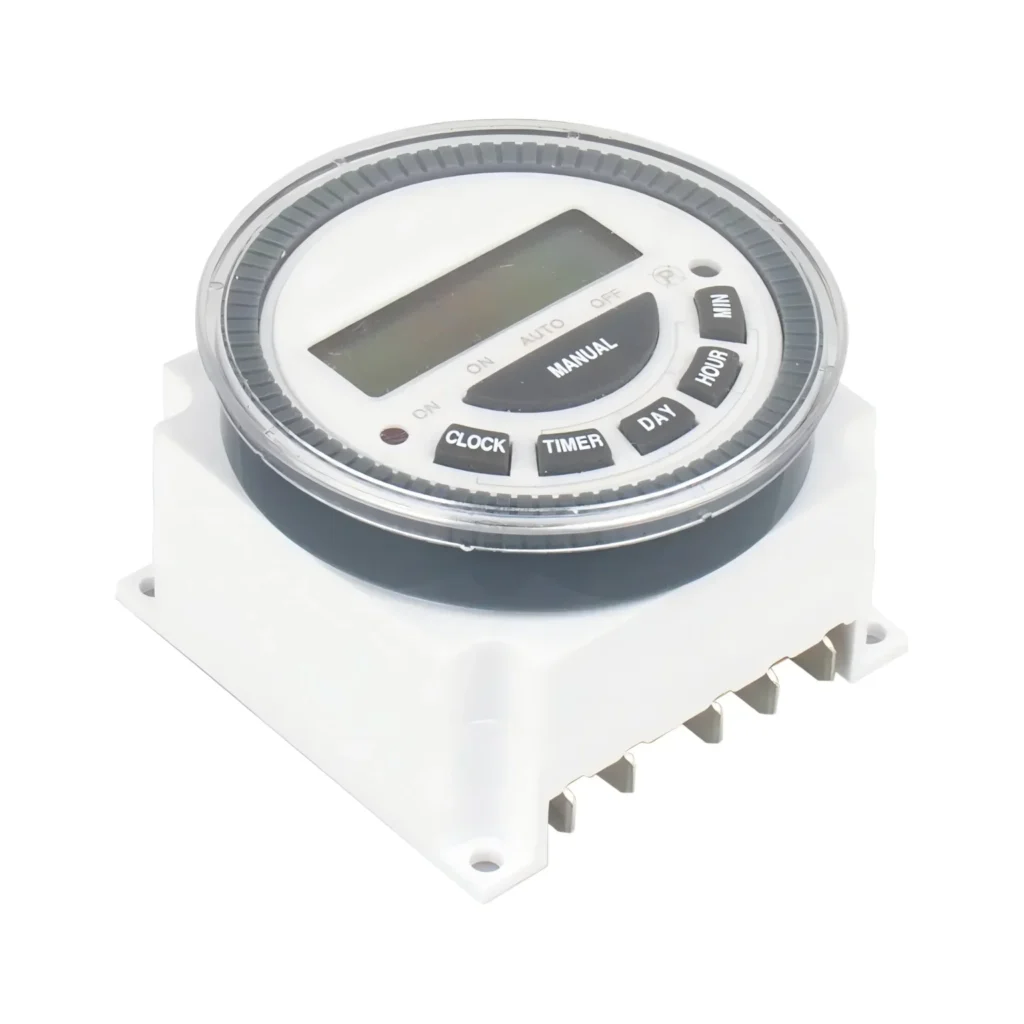
These switches support up to 17 on and off operations per day or week and include a built-in rechargeable battery to maintain settings during power outages. With a compact panel-mount design and durable construction, QJC digital timer switches offer dependable performance in various applications.
Why Choose QJC Digital Timer Switches?
QJC digital timer switches provide a comprehensive solution for electrical automation and energy optimization. Their precise scheduling capabilities, reliable backup power, and flexible programming options make them an excellent choice for both home and industrial use. By choosing QJC, users benefit from stable performance, reduced energy costs, and long-term operational reliability.
If you are looking for a high-quality, cost-effective digital timer switch that delivers accuracy and durability, QJC offers a wide range of models tailored to your specific requirements. Contact us today to learn more or place your order.
Digital Timer Switch vs Mechanical Timer Switch
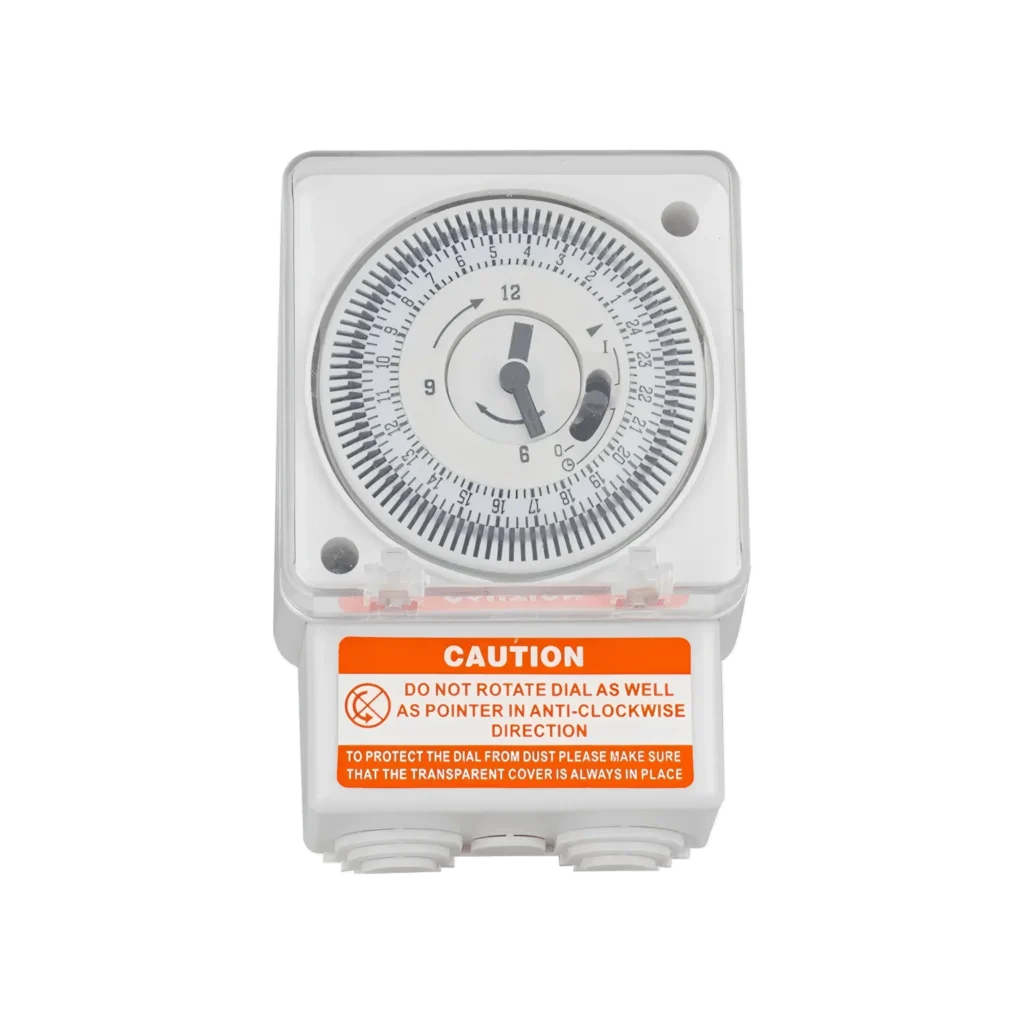
When comparing a digital timer switch with a mechanical timer switch, the differences become clear in terms of accuracy, flexibility, and long-term reliability. Mechanical timer switches rely on physical components such as gears and rotating dials, which limits their precision and scheduling options. Over time, mechanical wear can reduce accuracy and performance.
Digital timer switches, on the other hand, use electronic circuits that provide precise time control and support advanced programming. Users can set multiple schedules, weekly programs, and countdown functions with ease. While digital timers may have a higher initial cost, their improved efficiency, reduced maintenance, and energy-saving capabilities make them a more practical choice for modern electrical systems.
Installation and Setup of a Digital Timer Switch
Installing a digital timer switch depends on the model and application. Panel-mounted and wall-mounted timers usually require basic electrical wiring and should be installed by a qualified technician to ensure safety and compliance with electrical standards. Plug-in digital timer switches, however, offer a simple installation process that requires no wiring and can be used immediately after setup.
Once installed, programming the digital timer switch involves setting the current time, selecting the desired operating mode, and defining the on and off schedules. Most devices store these settings in internal memory, allowing them to continue operating automatically without further adjustments. Proper installation and correct programming ensure stable operation and maximize the benefits of the timer switch.
Maintenance and Service Life of Digital Timer Switches
Digital timer switches require minimal maintenance compared to traditional control devices. Periodic checks are recommended to ensure that the time settings remain accurate, especially after long power outages or battery replacement. For models with built-in rechargeable batteries, monitoring battery health helps maintain uninterrupted operation.
High-quality digital timer switches are designed for long service life, even in demanding environments. Selecting a reliable product with durable components and proper protection against electrical interference can significantly extend the lifespan of the device and ensure consistent performance over many years.
Digital Timer Switches in Industrial and Commercial Environments
In industrial and commercial applications, digital timer switches play a crucial role in optimizing workflow and energy usage. They are widely used to control machinery operation schedules, ventilation systems, warehouse lighting, and production equipment. By automating routine tasks, businesses can reduce manual intervention, improve operational consistency, and lower energy costs.
Commercial facilities such as shopping centers, office buildings, and parking areas rely on digital timer switches to manage lighting and electrical systems efficiently. The ability to customize schedules according to business hours makes these switches an essential component of modern energy management strategies.
Environmental Benefits of Digital Timer Switches
Using digital timer switches contributes to environmental sustainability by reducing unnecessary energy consumption. When electrical devices operate only during required periods, overall power demand decreases, leading to lower carbon emissions and reduced strain on power generation systems.
By improving energy efficiency in homes and businesses, digital timer switches support green building initiatives and help organizations meet energy-saving regulations and environmental goals. This makes them not only a practical investment but also a responsible choice for a more sustainable future.
Future Trends in Digital Timer Switch Technology
As automation technology continues to evolve, digital timer switches are becoming more intelligent and connected. Future models are expected to feature enhanced integration with smart home systems, cloud-based control, and advanced energy monitoring capabilities. Artificial intelligence and adaptive scheduling may allow switches to adjust operation times automatically based on usage patterns and environmental conditions.
These advancements will further improve convenience, efficiency, and energy savings, making digital timer switches an increasingly important part of modern electrical infrastructure.